Fuzzy Socks Manufacturing Guide for Private-Label Buyers
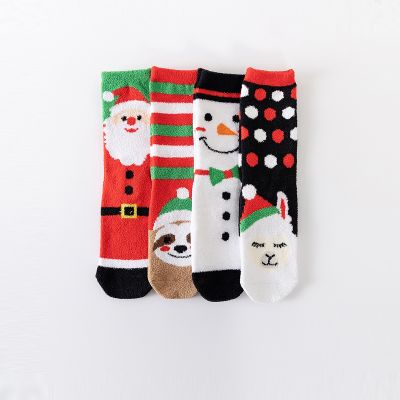
“Fuzzy socks” is a useful retail term, but it is not a complete manufacturing specification. A buyer may mean feather yarn socks, plush sleep socks, cozy gift socks or another soft-pile construction. Each direction can require different yarn, knitting, sizing and finishing decisions.
This guide explains what brands, retailers, importers and sourcing teams should confirm before requesting samples or a factory quotation. For our focused production offer, visit the shea butter feather yarn socks manufacturing page.
1. Define the Product Before Comparing Quotes
A reference image helps, but a factory also needs to understand how the product should feel, fit and perform. Two socks that look similar in a photo may use different yarn counts, pile structures, weights or finishing treatments.
Information to include in the first brief
- Target market and intended wearer
- Season and use case, such as sleep, gifting, indoor comfort or seasonal retail
- Size range, color count and expected quantity
- Reference image, physical sample, artwork or tech pack
- Logo, label, hangtag and retail packaging requirements
- Destination and target delivery date
2. Feather Yarn, Fuzzy and Plush Are Not Always Identical
Buyers often use “fuzzy,” “cozy,” “plush” and “feather yarn” interchangeably. During product development, these terms should be translated into measurable requirements and an approved physical sample.
| Buyer term | What to confirm with the factory |
|---|---|
| Fuzzy socks | Surface pile, softness, warmth, shedding expectations and intended use |
| Feather yarn socks | Yarn direction, construction, hand feel, weight and color availability |
| Cozy or sleep socks | Fit, stretch, cuff comfort, indoor use and packaging presentation |
| Plush gift socks | Seasonal colors, motifs, labels, hangtags, sets and retail-ready packaging |
3. How Shea Butter Treatment Fits the Development Process
Shea butter treatment is a product-development option, not a substitute for an approved specification. The requested treatment, yarn construction and target hand feel should be reviewed together during sampling. The buyer and factory can then confirm the reference sample and written requirements before bulk production.
If the treatment or a related marketing statement will appear on retail packaging, the buyer should also define the required supporting documentation and target-market review before printing.
4. Private-Label Decisions That Affect the Program
A private-label fuzzy sock program can involve more than adding a logo. Buyers should decide which elements need development and approval:
- Colorways, sizing and construction
- Knitted or applied brand elements where technically suitable
- Care labels, brand labels and hangtags
- Single-pair, multipack or gift presentation
- Retail packaging artwork and market-specific information
These choices can affect sampling, material use, packing labor and the applicable order quantity. For the broader workflow, review our private-label sock manufacturing process.
5. Why MOQ Must Be Confirmed Against the Specification
MOQ is influenced by yarn availability, construction, number of colors, size breakdown, labels and packaging. A useful quotation therefore connects quantity to a defined product rather than presenting an isolated number.
When comparing suppliers, send the same brief to each factory and check whether the quotation includes equivalent materials, sampling assumptions, packaging and inspection requirements.
6. Use the Approved Sample as the Bulk Reference
The approved sample and written specification should establish the reference for appearance, construction, sizing, color, finishing and packaging. Changes requested after sample approval need to be documented and assessed before production.
- Submit the product brief and references.
- Confirm the development route and applicable quotation inputs.
- Review and revise the sample where needed.
- Approve the sample and written specification.
- Use both as references for bulk production and inspection.
7. Questions to Ask a Fuzzy Socks Manufacturer
- Which construction best matches the required feel and use case?
- Which specifications must be confirmed before quoting?
- How will color, sizing and treatment requirements be approved?
- What changes would affect MOQ or production planning?
- Can labels, hangtags and retail packaging be included?
- How is bulk output checked against the approved sample?
Develop a Custom Fuzzy Sock Program
Send your target market, quantity, size range, color direction, branding and packaging requirements for a factory review.
Request a Factory Assessment